
Its detailed journaling feature provides insights into how specific foods or ingredients may be affecting your health. The app allows users to set goals and track progress in a way that feels manageable. But let’s face it, tracking food intake in a food diary can feel like a chore for most people. Whoop Coach provides tailored coaching to enhance your fitness journey. It uses data-driven insights to optimize your training and recovery.
Which Nutrition App Is Best For Weight Loss While Training?
Kalix combines EHR, billing, appointment management, and telehealth in one cloud-based system. Healthie is one of the most comprehensive tools for virtual care and practice management. You can even manage group programs and track outcomes at scale. Ultimately, the effectiveness of a weight loss program depends on consistent engagement with it and the ability to incorporate its principles into your daily life. It’s always best to consult with a healthcare professional like a dietitian for personalized advice and safe weight management strategies. Overall, the reviews on the app are positive, with some calling it a safe space and a refreshing change to the traditional health apps out there.
Recovery-Aware Training and Scheduling
The time spent planning custom meals from scratch can add up to $50–200 lost in billable hours before you even start coaching. Get matched with a routine that fits your goals, schedule, and equipment. The app uses the scientific principle of progressive overload, adapting the difficulty of workouts as you progress, to ensure that you consistently burn fat and build muscle over time. Used thoughtfully, these apps can provide structure, ideas and accountability. But lasting change still depends on building habits that you can maintain for years to come.
Best AI Nutrition Apps to Calculate Your Perfect Macro Split in 2026
Try Nutrola free for 3 days to experience how AI-powered nutrition tracking delivers faster logging, verified accuracy, and automated meal planning that actually works. Traditional nutrition apps required users to type food names, scroll through endless lists, and estimate portions manually. Progress monitoring is made simple with Healthie’s built-in tracking tools. Clients can record their weight, measurements, and other metrics,which coaches can review in real time and provide insightful feedback.
WeightWatchers
This step ensures every feature resonates with user needs and solves their problems. We created prototypes for an intuitive and engaging user interface and tested it on potential users. During the development phase, we picked the tech stack that met all requirements. We integrated AI services to offer personalized suggestions and data-driven insights.
✅ Meal Logging That Reads Your Mind
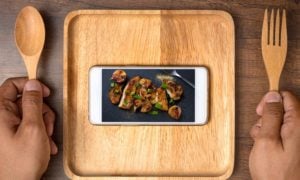
Apps that handle health data and are HIPAA-compliant (in the US) or GDPR-compliant (in Europe) have higher standards for data protection. While not all nutrition apps need to meet these standards, ones that choose to do so anyway are showing they take security seriously. I didn’t think much about this until I read an article about a nutrition app that was selling anonymized user data to food companies. These companies were using aggregate data to understand eating trends and develop products, which might seem harmless, but it made me reconsider what I was sharing with apps. For athletes or unimeal app reviews people with specific performance goals, having an AI-powered nutrition app that understands periodization and event preparation is incredibly valuable. It’s like having a sports nutritionist in your pocket who knows exactly how to fuel your body for peak performance when it matters most.
- What sets PlateJoy apart is its ability to integrate with grocery delivery services, saving users time and effort.
- In basic terms, carbohydrates fuel your rides, while proteins aid muscle recovery and healthy fats contribute to sustained energy levels.
- If you have a high-activity day, Welling automatically adjusts your calorie and protein targets in real-time to ensure your metabolism stays fueled and your recovery is optimized.
- Proper hydration strategies, including electrolyte supplementation, prevent cramping and dehydration, which in turn can hinder performance and prolong recovery.
- I also talked to nutrition experts to understand what insights these apps can provide, and what their limitations are.
- It’s not just about eating smarter—it’s about living healthier, longer, and more balanced lives.
What if I don’t like the food recommendations?
Many apps are beginner-friendly, offering step-by-step guidance. For instance, Noom focuses on behavioral psychology to build healthier eating habits and provides daily lessons that are easy to understand. Beginners often appreciate the instant feedback and motivational features these tools provide.
Noom — The Psychology Approach
Instead of manually calculating every calorie, these smart tools use data, automation, and intelligent insights to guide better food choices. Whether your goal is weight loss, muscle gain, or simply healthier eating habits, the right app can make a significant difference. Lifesum helps users build healthier eating habits with personalized meal plans, calorie and macro tracking, and easy food logging via barcode scanning or photos. With Healthie, coaches can easily create personalized nutrition plans based on individual client needs and goals. The app’s extensive food database allows for effortless food tracking, enabling clients to log their meals and monitor their calorie intake. Healthie also provides in-depth nutritional analysis, giving coaches insights into their clients’ dietary habits and helping identify areas for improvement.
Calorie counter
Combining, matching and analyzing food data is no easy feat, especially when making decisions about what to eat can become a daily taxing exercise. AI agents can make life easier my taking care of an entire task or workflow, providing feedback on progress and adjusting the plans as they go along. In areas such as medical nutrition (Food as medicine) where chronic conditions such as Type 2 Diabetes can be managed through dietary intervention, smart food data becomes critical. This involves matching the personal, biological,physiological, behavioral of the user with food databases and product SKU’s in order to not only tell the user what to eat but also what they should buy.
AI-Powered Calorie Tracker Apps to Try
MyFitnessPal is one of the most widely used nutrition tracking apps, helping users monitor their food intake, workouts, and overall health goals. With a vast food database of over 18 million items, MyFitnessPal allows users to track their calories, macronutrients, and micronutrients easily. The app is equipped with a barcode scanner, integration with over 35 fitness devices, and personalized recommendations based on user goals such as weight loss, muscle gain, or improved fitness. MyFitnessPal’s easy-to-use interface, along with insightful progress reports, makes it a top choice for anyone serious about achieving their health and fitness goals. Across these apps, users can access real-time nutrition analysis, habit and behavior insights, progress tracking, and adaptive recommendations based on goals and eating patterns.
By combining your workflow, communication, and data, TrueCoach lets you focus on what matters. Once you set up your account, Carb Manager builds you a personalized low-carb meal plan tailored to your preferences and allergies. From there, you can log your meals using the AI meal scanner Snap Foods, the barcode scanner, and voice logging.